"I just want to hear
their voice again."
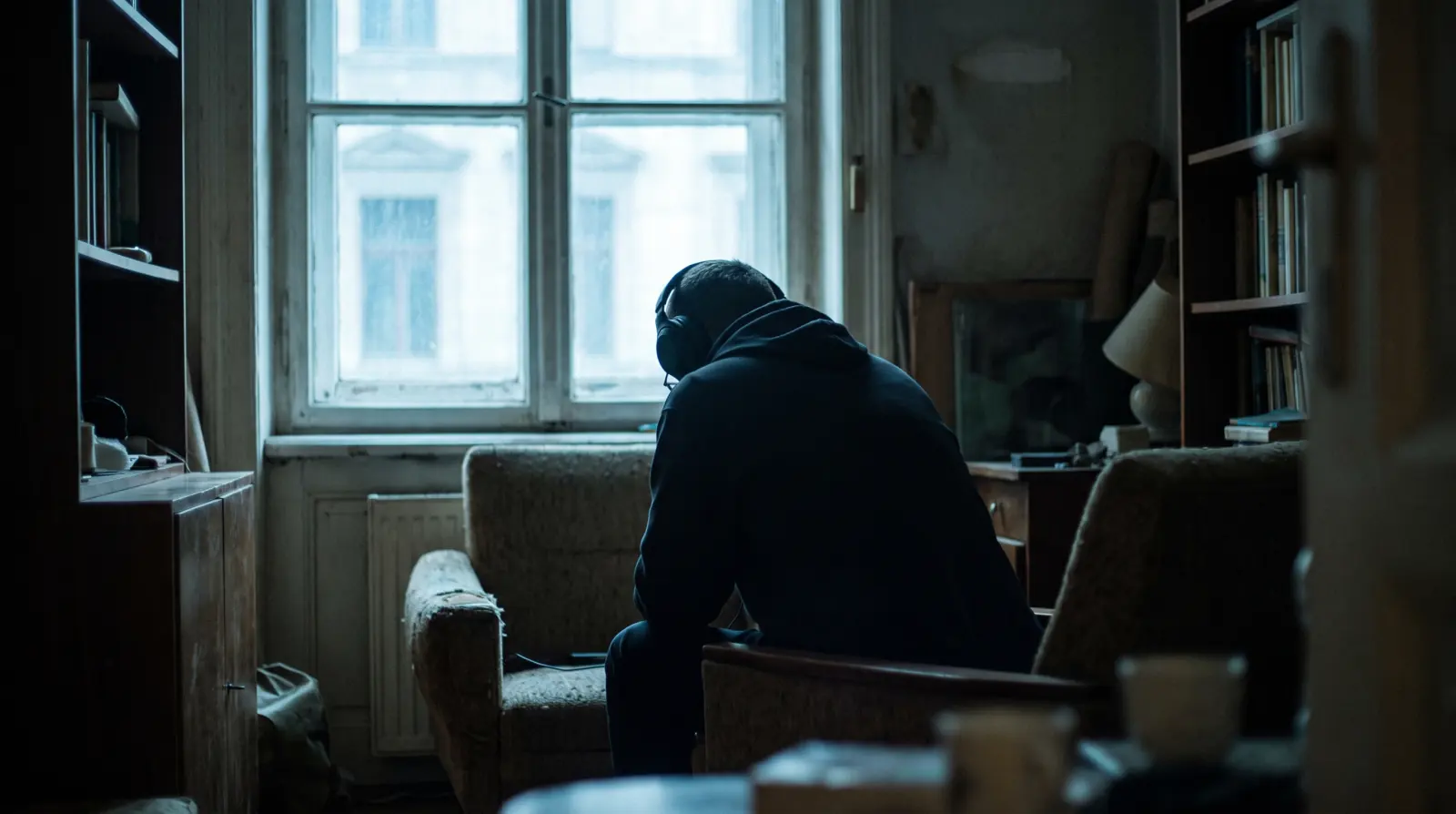
Maybe it's a saved voicemail you can't stop replaying. Maybe it's the opposite — you've searched every device and there's almost nothing, and that absence has its own weight. Either way, here is an honest map of what's possible now, and what to be careful about.
First: gather what exists
Before any technology, find the recordings you already have. Check: saved voicemails (your phone carrier may retrieve deleted ones — ask soon, retention windows are short), video clips in your camera roll, messenger voice notes, old home videos, wedding and birthday footage where they speak near the camera. Ask siblings and grandchildren to search too — the best recording is usually on someone else's phone.
What AI can do with what you find
From roughly 60 seconds of them talking, their voice can be recreated reading new words — a farewell letter for the service, a blessing, the things they would have said. From photographs, a still image can be gently animated: a smile completing, eyes looking up.
Quality depends entirely on the recordings. Clear audio produces a voice that families recognize instantly; short or noisy clips may not get there. This is why we produce a 15-second preview first — you and your family judge whether it truly sounds like them, and if it doesn't, you pay nothing. The technical details are in our voice cloning guide.
What to be careful about
- Their wishes come first. If they ever said they wouldn't want this — even casually — honor that. We refuse projects against a person's known wishes, and we'd rather lose the work than cross that line.
- Bring your family with you. A recreated voice lands differently for different people. Talk to the people closest to them before commissioning anything; we confirm family consent before we start.
- Beware "talk to them again" apps. Some services sell ongoing AI chatbots of the deceased. Researchers at Cambridge have warned about the psychological risks of exactly that, and we agree: we make one farewell film, not an avatar you keep talking to. A goodbye should be allowed to end.
- One farewell can be enough. Families tell us that hearing the voice once, saying the right words, in the right room, on the right day — does something replaying an old voicemail never quite did.
If the service is soon
There may still be time. A Voice Farewell — their recreated voice reading a farewell letter over restored, gently moving photographs — is typically delivered within 72 hours of receiving materials. Start gathering recordings today; that's the slow part, not the production.
Not sure if what you have is enough? Send us what you found — even one voicemail. We'll tell you honestly within one business day what it can become, and you pay nothing until you've heard the preview and said "that's them."
Ask us — no payment, no commitment