Do You Need Permission
to Recreate Someone's Voice?
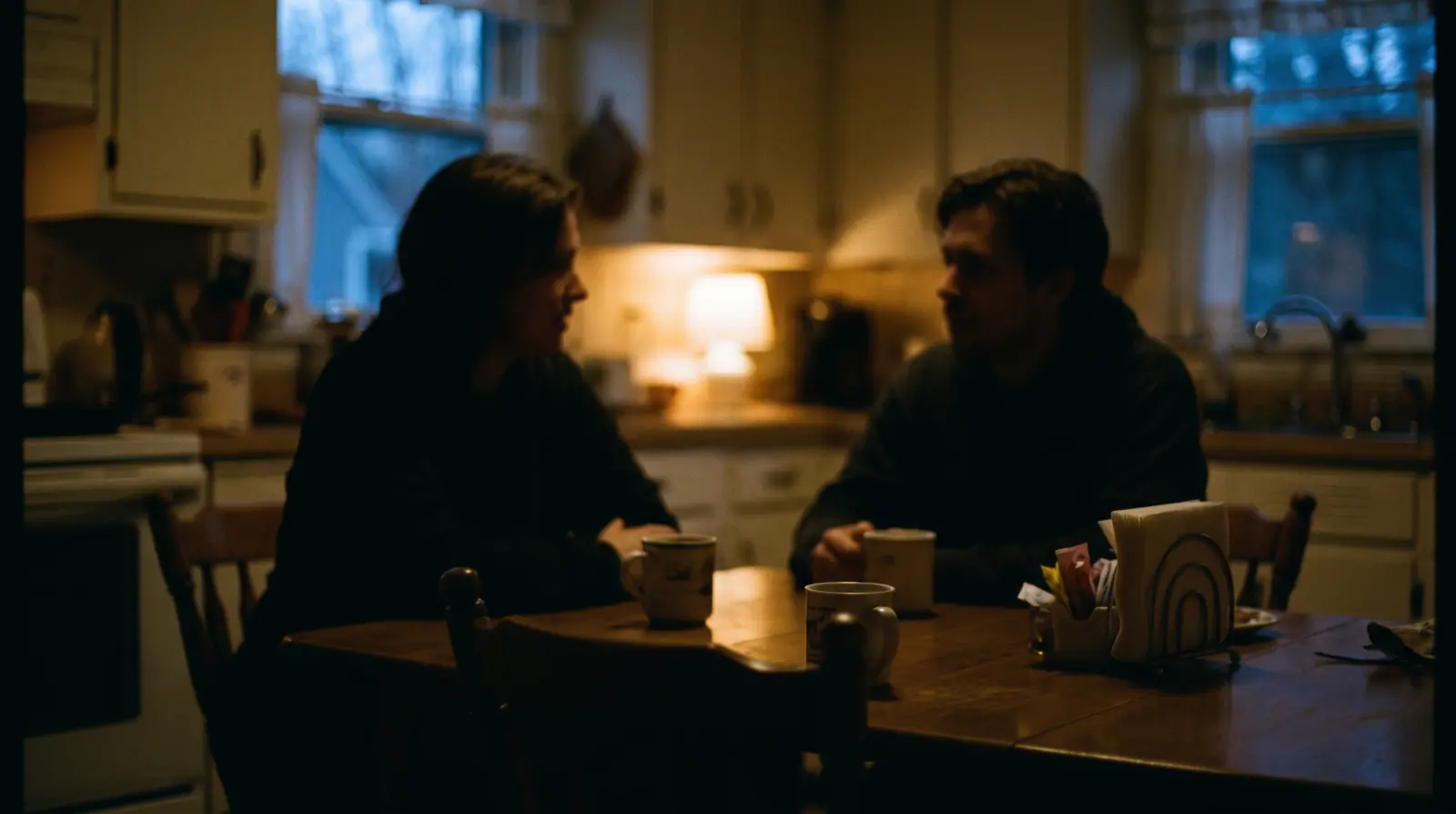
Families ask us this before they ask about price. They have found the recordings, they can imagine the film, and then they stop: are we allowed to do this? Here is the honest answer, separated into what the law requires and what we require.
Short answer: yes, and the permission comes from the family
In most jurisdictions there is no single law that says "you may not recreate a deceased person's voice." Rights of publicity, which protect a person's name, voice, and likeness from commercial exploitation, survive death in many US states and are inherited by the estate. A private memorial film made for the family is generally not the commercial exploitation those laws were written to stop.
That said, the legal picture in 2026 is still forming, and it varies by state and country. If a recreated voice would appear in anything public, promotional, or monetized, the answer changes and you should ask a lawyer. For a film played at a service and shared privately, the practical question is not legal permission. It is family permission.
Who counts as "the family" for this purpose
The person with legal authority over the estate, plus the immediate next of kin. In practice that usually means the executor or the surviving spouse, together with the adult children.
Our rule is stricter than the legal minimum. We ask that the closest surviving relatives are aware and do not object. Not every cousin needs to sign. The people who would be hurt to discover it afterward need to know beforehand.
This matters because a memorial film is often played at a service where the whole family is present. A film that half the family did not know about can turn a funeral into an argument. The consent step is there to protect the day, not only to protect us.
What we do when the deceased person said no
We decline the project. If the person expressed while living that they would not want their voice or image recreated, that decision stands, and no family consent overrides it.
We ask this question directly on the inquiry form because it is easy to forget in grief and difficult to undo afterward. If nobody remembers them saying anything either way, that is the ordinary case and we proceed with family consent.
What we do when the family disagrees
We wait, and we do not take sides. If one close relative objects, we hold the project rather than proceeding on a majority.
We have paused projects for this reason. It is uncomfortable and it costs us the work, and it is still correct. A grieving family does not need a vendor adding pressure to a disagreement they are already having.
The written record we keep
A signed consent form before any work begins, and deletion within 30 days of delivery.
The form states who is authorizing the project, that the closest family are aware, and that the deceased person did not object while living. After delivery we delete the source recordings and the voice model built from them. We do not retain the voice, we do not reuse it, and we do not train anything on it.
Our full position is public at Consent & Ethics. The short version is that we make one farewell, and then the work is finished. We do not build chatbots of the dead and we never will.
The question underneath the question
Most families asking about permission are not really asking about law. They are asking whether this is an acceptable thing to want. It is. Wanting to hear someone say goodbye properly, once, is an old human wish with a new tool attached to it.
What makes it acceptable is the boundary around it: the family decides, the person's own wishes come first, and the goodbye is allowed to end.
Not sure who in your family needs to agree, or whether your situation is one we would take? Write to us and describe it. We reply within one business day, and we will tell you plainly if the answer is no.
Start an inquiry